Modern dashboards in Rutherfordton light up like pinball machines. Every system has a symbol, every symbol has a color, and most drivers were never taught the simple rule that sorts them all: red means stop and protect the engine or yourself, amber means schedule attention soon, and green or blue simply means a system is on. At Ellenburg's Garage, this comparison focuses on the warning lights that matter most, the ones where the right response in the first minute changes the outcome.
Symbols vary slightly by maker, so your manual is the final word on an unfamiliar icon. The color logic, however, is consistent across brands, and the four red-light systems below deserve instant respect on any car, old or new.
The red lights: stop first, diagnose second
Oil pressure is the most urgent light on the dash. It does not mean the oil is a little low. It means pressure has dropped, and without pressure, bearings lose the oil film that keeps metal apart. Pull over safely and switch off. Continuing to drive to the next exit can turn a repairable cause into a ruined engine in a very short distance. Temperature is next. A gauge in the red or a temperature warning means the cooling system is losing. Pull over, switch off, and never open a hot coolant cap. The brake warning can mean low fluid, a hydraulic problem, or the parking brake left on, so check the parking brake first, then treat any pedal change as a tow, not a test drive. The charging light, shaped like a battery, means the car is running on battery alone and will stall when voltage falls. You have limited time, not unlimited miles.
| Light | Color | What it reports | First response |
|---|---|---|---|
| Oil pressure | Red | Loss of oil pressure | Pull over and switch off promptly |
| Coolant temperature | Red | Engine overheating | Pull over, switch off, do not open the cap hot |
| Brake system | Red | Low fluid, hydraulic fault, or parking brake on | Check parking brake; if pedal feels wrong, do not drive |
| Charging system | Red | Alternator not charging | Head for help nearby; car runs on battery only |
| Check engine | Amber, flashing is urgent | Engine or emissions fault | Steady: schedule soon. Flashing: slow down, get checked promptly |
| Tire pressure | Amber | One or more tires significantly low | Check all four pressures plus the spare where fitted |
| ABS | Amber | Anti-lock system fault; normal brakes remain | Drive carefully, schedule diagnosis |
| Airbag | Amber or red | Restraint system fault | Schedule promptly; system may not deploy correctly |
The amber lights people ignore too long
Amber does not mean optional. Tire pressure warnings are a good example. A tire low enough to trigger the light is low enough to handle poorly, wear unevenly, and overheat on a highway run. In the Piedmont, a cool morning can drop pressure enough to reveal a tire that was already marginal, so check pressure with a gauge rather than resetting the light and hoping. The ABS light means you still have conventional braking but have lost anti-lock help on a slick stop, which matters on wet pavement and on winter ice. The airbag light means the restraint system has found a fault and may not work as designed in a crash. None of these strand you today. All of them reduce the safety margin you are counting on.
The check engine light sits in its own category and gets its own guide on this site. Steady amber means book diagnostics. Flashing means treat it with red-light urgency because of the misfire and converter risk behind it.

A habit that prevents most surprises
Watch the dash during the first seconds after you turn the key. Every warning light should illuminate briefly as a bulb and system check, then go out. A light that never appears at startup cannot warn you later, and a light that stays on has already told you its story. That five-second glance, done weekly, catches more problems early than any other habit in this guide. When a new light does stay on, note its color before anything else. Color tells you whether to stop, to schedule, or simply to note that a system is active, and that single distinction will serve you on every car you ever own in Rutherfordton.
Common questions
Is it safe to drive with an amber warning light on?
Often for a short time with care, depending on the system. Amber means schedule attention soon, not ignore it, and any change in feel, sound, or braking means stop and reassess.
My oil light flickers only at idle. Is that serious?
Yes. Flickering at idle still reports low pressure at the moment it appears. Stop driving on it and have pressure tested rather than topping up and hoping.
Why did several lights come on at once?
Low voltage from a weak battery or charging fault can set multiple systems off together. Have the battery and charging system tested first when lights arrive as a group.
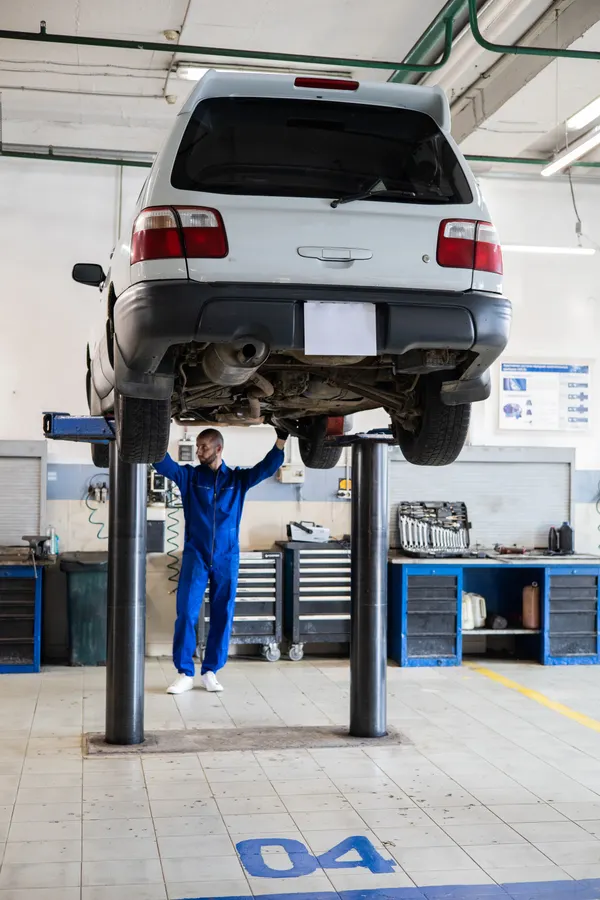
Photos in this guide are representative stock images.
← All guides from Ellenburg's Garage← Back to Ellenburg's Garage